

 Feed back
 Privacy Policy
AI+占星-20250618180201
The celestial tapestry above us holds more than just twinkling lights - it contains ancient constellation origins that reveal humanity's earliest mythological stories. For thousands of years, civilizations have connected these star patterns to create cosmic narratives that reflect their cultural values and spiritual beliefs. These celestial formations serve as both astronomical guides and symbolic representations of our ancestors' worldviews.
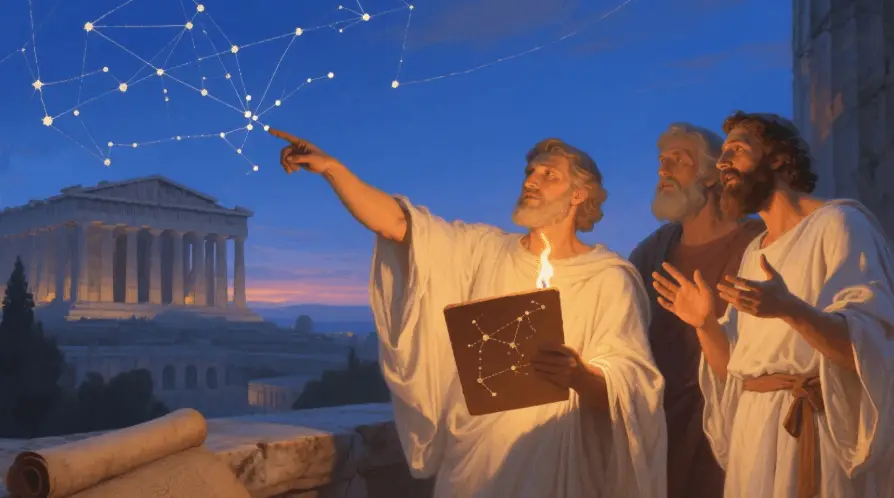
Long before modern astronomy, ancient cultures across the globe developed sophisticated systems to interpret star patterns. From the Mediterranean to the Far East, these early astronomers didn't just observe the night sky - they transformed it into a canvas for their most profound mythological stories. The Greeks, Egyptians, and Mesopotamians made particularly significant contributions to our current understanding of constellation origins, though their interpretations often varied dramatically.
The Greek tradition of naming star patterns after gods and heroes has profoundly shaped Western astronomy. Their mythological stories about Orion, Andromeda, and Perseus still dominate our celestial maps today. What began as oral traditions became codified by astronomers like Ptolemy, ensuring these constellation origins would endure for millennia.
The most recognizable star patterns often carry the most dramatic mythological stories. These celestial narratives not only entertained ancient listeners but also conveyed moral lessons and cultural values.
Among constellation origins, Orion's tale stands out for its dramatic arc. The boastful hunter's tragic demise and subsequent placement among the stars serves as a cautionary tale about hubris. Modern astronomers note how this mythological story even explains Orion's positioning opposite Scorpius in the night sky - the hunter forever fleeing his celestial nemesis.
The W-shaped constellation tells the story of a queen whose arrogance offended the gods. This mythological story about Cassiopeia demonstrates how ancient cultures used star patterns to reinforce social norms and religious devotion. Her celestial punishment - being upside down half the year - makes this one of the most visually memorable constellation origins.
The chained maiden's story represents one of the most dramatic mythological stories in Greek astronomy. Andromeda's constellation origins involve themes of sacrifice, divine justice, and heroic rescue that continue to resonate with modern audiences. Astronomers note how her star pattern forms part of a larger celestial narrative that includes Perseus and Cetus.
While Western constellation origins dominate popular astronomy, other cultures developed equally rich interpretations of the same star patterns. Chinese astronomers, for example, organized the night sky into very different mythological stories and administrative districts. Their celestial bureaucracy included emperors, ministries, and even marketplaces among the stars.
Contemporary science continues to honor these ancient constellation origins while expanding our understanding of the cosmos. The International Astronomical Union maintains many traditional names while cataloging countless new celestial objects. This bridge between ancient mythological stories and modern discovery creates a fascinating continuity in humanity's relationship with the stars.
In our technologically advanced era, these ancient constellation origins retain surprising relevance. The mythological stories encoded in star patterns speak to universal human experiences - love, loss, triumph, and tragedy. Modern psychologists suggest these celestial narratives fulfill our fundamental need to find meaning and connection in the vast universe.
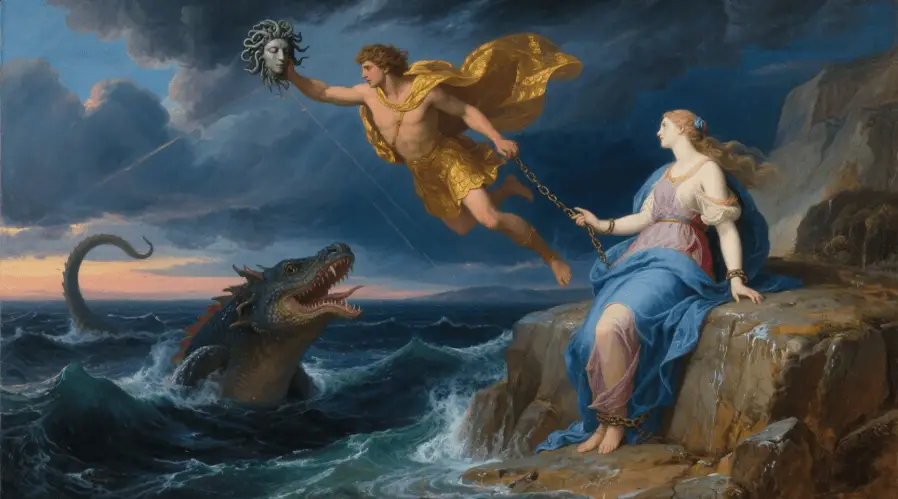
From Orion's belt to Cassiopeia's throne, the mythological stories behind star patterns represent humanity's first attempts to understand the cosmos. These constellation origins have guided sailors, inspired artists, and sparked scientific inquiry for generations. As we continue exploring the universe, these ancient celestial narratives remind us of our shared human impulse to weave stories among the stars.
Smith
|
2025.05.28


