

 Feed back
 Privacy Policy
AI+占星-20250618180201
Makar Sankranti stands as one of India's most profound festivals, uniquely blending celestial observations with agricultural traditions. This solar-based festival, celebrated annually around January 14th, marks both the Sun's transition into Capricorn (Makar) and the beginning of the harvest season. Unlike lunar-dependent festivals, Makar Sankranti's fixed solar date makes it particularly significant for both astronomers and farmers tracking seasonal changes.
The astrological meaning of Makar Sankranti reveals deep connections between cosmic movements and earthly cycles. As the Sun begins its northward journey (Uttarayan), this celestial event influences weather patterns, agricultural activities, and spiritual practices across the subcontinent. The festival's dual nature as both an astronomical marker and harvest festival creates a rich tapestry of cultural expressions throughout India's diverse regions.
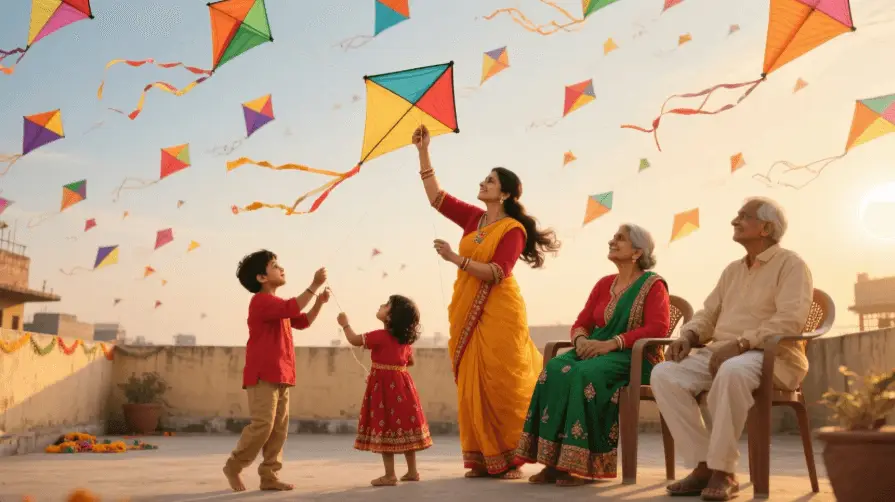
The core astrological meaning of Makar Sankranti revolves around the Sun's entry into Makar Rashi (Capricorn zodiac sign). This solar transition initiates the six-month Uttarayan period in Vedic astrology, considered highly auspicious for spiritual practices and new beginnings. Ancient texts suggest this celestial movement creates potent energies that influence human consciousness and environmental patterns.
This astronomical phenomenon coincides with the winter solstice in the Northern Hemisphere, marking the gradual increase in daylight hours. The astrological meaning extends beyond mere observation - it represents the victory of light over darkness, knowledge over ignorance, and prosperity over scarcity. Many Hindu scriptures recommend special prayers, charity, and meditation during this period to harness these beneficial cosmic energies.
The festival's timing reflects ancient India's advanced astronomical knowledge, as Makar Sankranti precsely marks the Sun's movement toward the Tropic of Cancer. This scientific precision demonstrates how Vedic scholars integrated celestial observations with cultural practices. The winter solstice connection provides the astronomical basis for the festival's fixed date in the solar calendar.
From an astrological perspective, this solar transition creates specific energetic conditions that influence human affairs. Traditional practices during Makar Sankranti - such as ritual bathing in sacred rivers, sun worship, and charity - are designed to align individuals with these beneficial cosmic vibrations for enhanced spiritual growth and material prosperity.
As a harvest festival, Makar Sankranti celebrates the agricultural bounty following the Rabi crop season. Communities across India express gratitude for nature's abundance through diverse traditions. The preparation of special sweets like tilgul (sesame-jaggery) symbolizes not just culinary tradition but also the interconnectedness of human effort and natural cycles that the harvest festival commemorates.
In rural areas particularly, the harvest festival aspects dominate celebrations. Farmers decorate their cattle, offer the first harvest to deities, and organize community feasts. These practices reinforce the festival's roots in agricultural life while maintaining the astrological meaning through timing determined by solar position rather than crop readiness.
India's cultural diversity manifests in unique regional Makar Sankranti celebratons. Punjab's Lohri features massive bonfires and folk dances, while Tamil Nadu's Pongal includes elaborate rice-boiling ceremonies. Gujarat's international kite festival has become a major tourist attraction, blending traditional harvest festival elements with modern entertainment.
Each regional variation maintains the core astrological meaning while adapting to local agricultural conditions and cultural preferences. These adaptations demonstrate the festival's remarkable ability to preserve its essence while evolving with regional characteristics - a testament to India's living cultural heritage.
Makar Sankranti's spiritual practices bridge the astrological meaning with earthly devotion. The ritual bathing in sacred rivers represents purification and renewal, aligning with the Sun's renewal of its northward journey. Mass pilgrimages to holy sites like Prayagraj during the Kumbh Mela demonstrate the festival's enduring spiritual importance.
Charitable giving during Makar Sankranti reflects the harvest festival's emphasis on sharing abundance. These spiritual practices create a holistic experience that connects cosmic events (astrological meaning) with human actions (harvest celebrations) through sacred rituals.
Hindu mythology enriches the astrological meaning of Makar Sankranti through symbolic narratives. The festival commemorates Lord Vishnu's victory over demons, representing the triumph of divine order. The reconciliation between Surya (Sun God) and Shani (Saturn) symbolizes harmony between opposing forces during this celestial transition.
These mythological connections provide cultural context to the astronomical events, helping devotees relate personally to the cosmic significance. The stories also reinforce the harvest festival aspects by illustrating principles of cyclical renewal and the importance of maintaining balance with natural forces.
Modern urban celebrations have adapted the harvest festival traditions to city environments while retaining the astrological meaning. Rooftop kite flying replaces open fields, and community events organize collective celebrations where individual family observances were traditional. These adaptations ensure the festival's relevance in changing social contexts.
Educational initiatives help urban youth understand both the astrological significance and agricultural roots of Makar Sankranti. Cultural organizations create hybrid events that blend traditional rituals with contemporary entertainment, making the ancient festival accessible to modern urban populations.
The Indian diaspora has successfully globalized Makar Sankranti celebratons, introducing the harvest festival traditions worldwide. International kite festivals inspired by Gujarat's Uttarayan attract participants globally, while yoga communities emphasize the astrological meaning for spiritual practices.
This global recognition has created cross-cultural appreciation for India's sophisticated integration of astronomy, agriculture, and spirituality. Academic interest in the festival's astronomical foundations has grown, with researchers studying its precise solar calculations and their cultural applications.
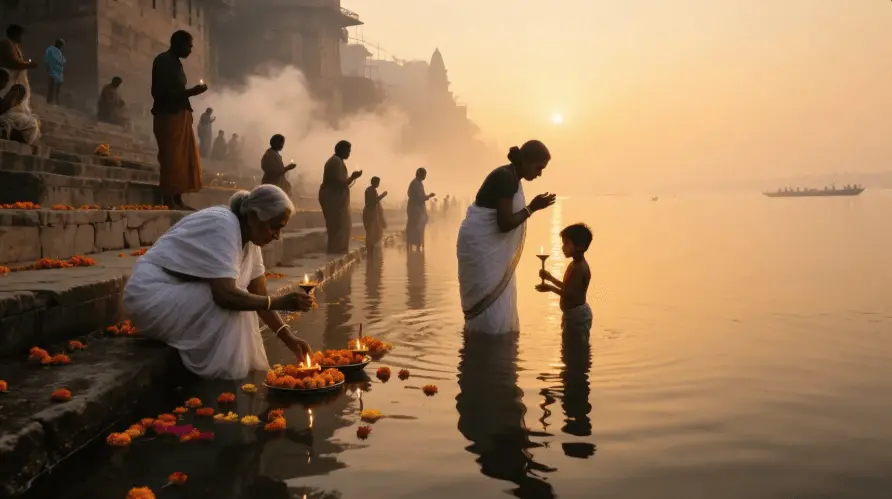
Makar Sankranti represents a remarkable synthesis of celestial observation (astrological meaning) and earthly celebration (harvest festival). Its continued relevance demonstrates the wisdom of ancient Indian traditions that harmonized human life with cosmic and natural cycles. As both a scientific marker and cultural phenomenon, the festival offers valuable insights into sustainable living aligned with natural rhythms.
The astrological meaning provides a cosmic framework, while the harvest festival aspects ground these observations in daily life. This dual perspective makes Makar Sankranti unquely positioned to bridge ancient wisdom with modern applications, ensuring its continued significance for future generations in India and worldwide.
Aarav Sharma
|
2025.05.28


